
Understanding the Impact of Culture on Remote Work Dynamics
As remote work becomes increasingly prevalent in multinational corporations, understanding the cultural nuances that influence team dynamics is vital. This article explores how culture impacts remote work and offers practical strategies for IT managers and remote work strategists to optimize their virtual workspaces.
The Role of Culture in Remote Work
Culture plays a significant role in shaping communication styles, decision-making processes, and conflict resolution methods within teams. According to research conducted by the Harvard Business Review, teams that are culturally aware and sensitive experience improved collaboration and productivity. This is particularly important in remote settings where miscommunication can lead to misunderstandings and decreased efficiency.
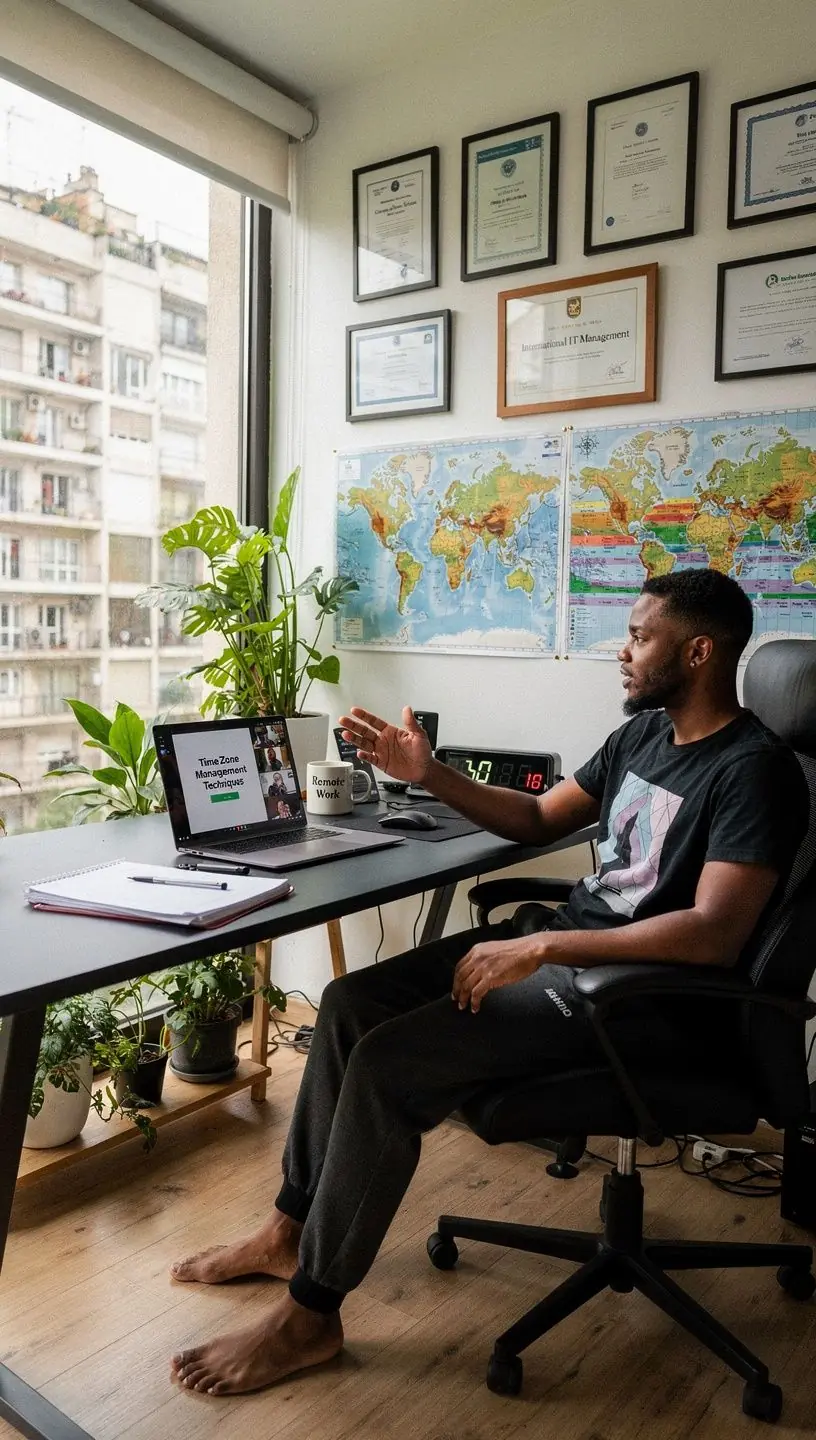
"Cultural differences can either enhance or hinder team collaboration, depending on how well they are managed." - Dr. Lisa Green, Cross-Cultural Expert
Understanding Cultural Dimensions
One widely recognized framework for understanding cultural differences is Hofstede's Cultural Dimensions Theory. This model outlines several dimensions, including:
- Power Distance: How power is distributed and accepted within a culture.
- Individualism vs. Collectivism: The degree to which individuals prioritize personal goals over group goals.
- Uncertainty Avoidance: The extent to which members of a culture feel uncomfortable with uncertainty and ambiguity.
- Long-Term Orientation: The focus on future rewards versus short-term gains.
By assessing these dimensions, IT managers can tailor their communication strategies to meet the diverse needs of their remote teams.
Strategies for Enhancing Cross-Cultural Collaboration
To foster an inclusive remote work environment, consider implementing the following strategies:
- Encourage Open Communication: Establish clear channels for feedback and discussion, ensuring all team members feel comfortable sharing their thoughts.
- Provide Cultural Competence Training: Equip employees with the skills to navigate cross-cultural interactions effectively. This typically involves workshops and ongoing education.
- Utilize Collaboration Tools Wisely: Leverage technology that supports diverse communication styles, such as video conferencing platforms and collaborative document editing tools.
Research indicates that organizations that invest in cultural competence are more likely to see improved team performance and employee satisfaction.
The Challenges of Time Zone Management
Another critical aspect of remote work dynamics is time zone management. Many remote teams operate across multiple time zones, which can create challenges in scheduling meetings and ensuring all team members are on the same page.
Experts recommend using tools like World Time Buddy or Time Zone Converter to facilitate better planning. Additionally, adopting a “follow-the-sun” model can help ensure that work continues seamlessly across different regions, but this approach may require extra effort to coordinate schedules.
Conclusion
Understanding the impact of culture on remote work dynamics is crucial for IT managers and remote work strategists aiming to optimize their global teams. By acknowledging cultural differences, adopting effective collaboration strategies, and managing time zones thoughtfully, organizations can create a more harmonious and productive virtual workspace.
To achieve meaningful results, it is essential to implement these strategies consistently and with dedication. Over time, these efforts can lead to significant improvements in team cohesion and overall performance.
Learn More